

Colour is often the first element perceived in a space, but the finish determines how that colour is experienced. Matte, polished, textured, or honed surfaces interact differently with light, touch, and time, shaping how furniture settles into daily life. Finishes influence durability, tactility, and visual balance in a lived experience.
When colour is paired deliberately with finish, furniture gains depth and intention. Designers increasingly rely on material pairings that create balance rather than contrast, allowing furniture to anchor the space while adapting to daily life. At Wriver, colour and finish are conceived as one language, shaping furniture that feels composed, grounded, and enduring.
Lacquered Colour with Stone Top
Lacquered colour brings energy and depth into a space, but without balance, it can quickly dominate. When paired with stone, colour gains discipline, its vibrancy held in check by weight, texture, and permanence. This combination allows saturated or muted tones to feel composed rather than expressive.
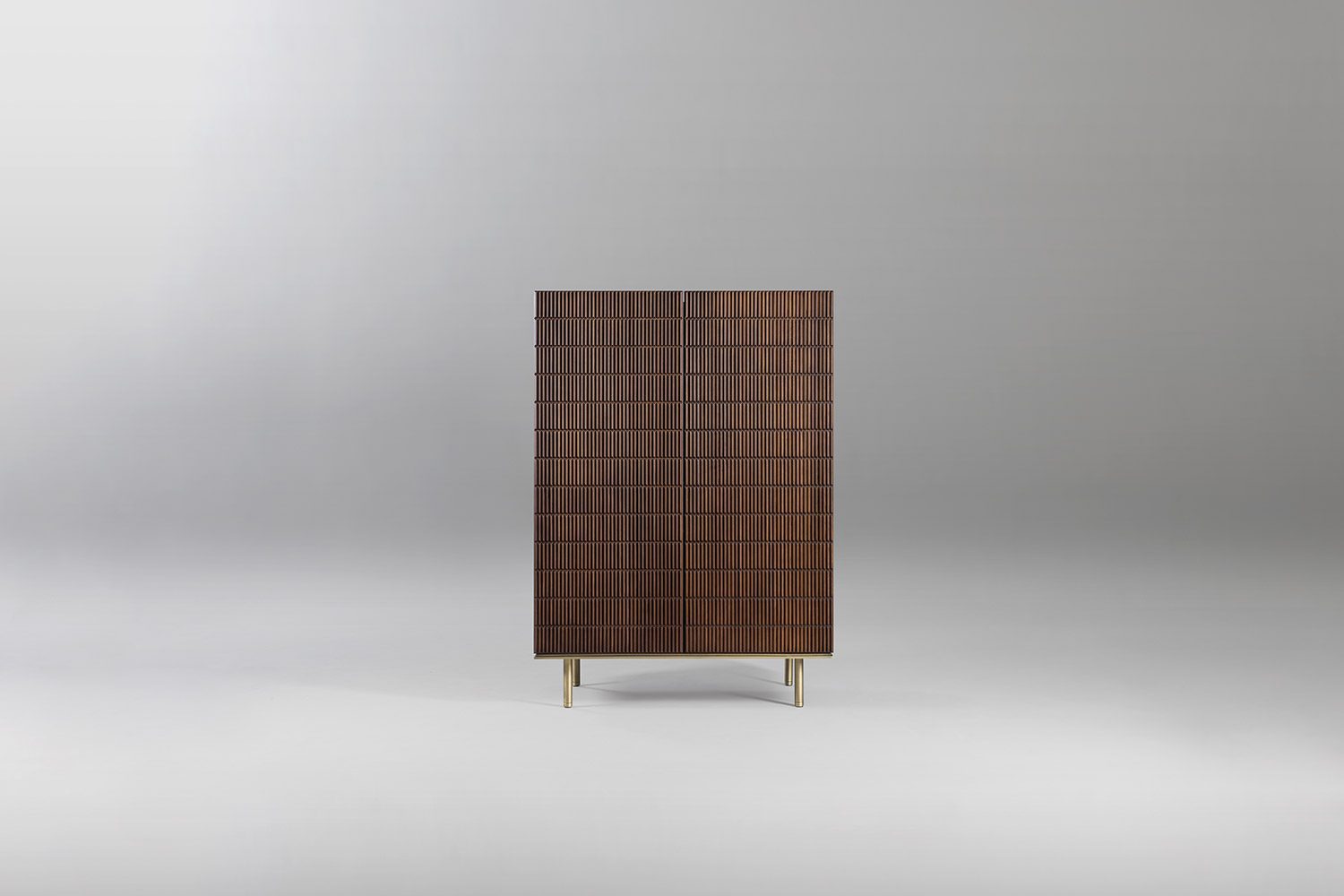
Seen in the Metrie Bar Cabinet, lacquered façades introduce rhythm and visual movement, while stone elements ground the composition with stability. Together, they create a focal point suited to living and dining spaces where storage must support both everyday use and moments of gathering, offering presence without excess.
Metallic Finishes with See-Through Metal Frameworks
Metal gains warmth and approachability when paired with transparent or semi-transparent surfaces. Glass softens metal’s rigidity, allowing light to pass through and reducing visual weight. The result is structure without heaviness.

Seen in the Brezza Shelving Unit, metal finishes form a rhythmic framework, while glass elements keep the composition open and breathable. This combination works particularly well inshared living spaces and studies, where storage needs to exist without visually dividing the room. Designers favour this pairing for its ability to organise space while maintaining flow.
Neutral Fabric Tones with Metal Accents
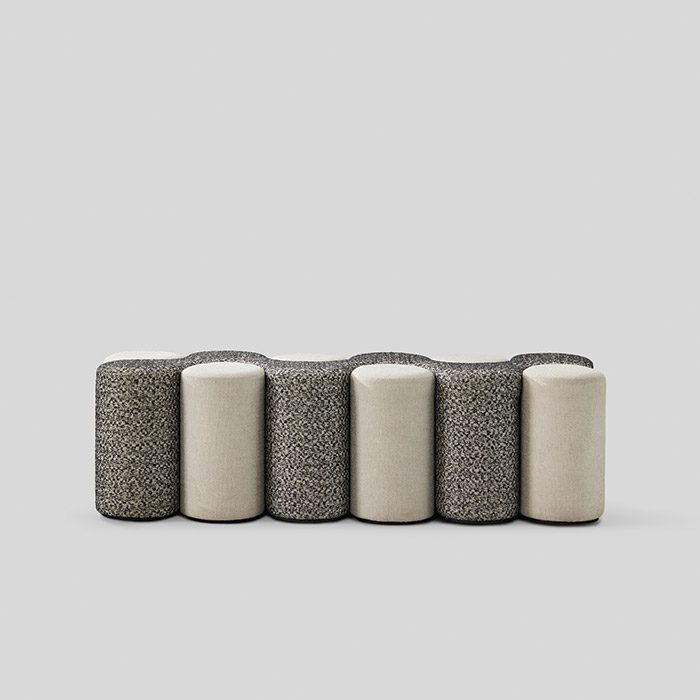
Neutral fabrics create a sense of calm, but without definition, they risk appearing visually flat. When soft upholstery is paired with restrained metal accents, the fabric gains structure without sacrificing tactile comfort. This combination allows bedrooms to feel composed and layered, supporting rest through material balance rather than visual emphasis.

Seen in the Nuvola Bed, fully upholstered surfaces absorb light and sound, creating a quiet visual field, while subtle metal trims and skirting introduce clarity and proportion. The result is a bed that gently anchors the room, designed for retreat, routine, and comfort, where detailing enhances rather than interrupts the sense of rest.
Earth-Toned Ceramic Tiles with Industrial Frames
Texture brings warmth to industrial materials. When handcrafted surfaces, such as ceramic tiles, are framed within metal structures, the contrast enhances both elements; imperfections become intentional, and geometry feels less severe.
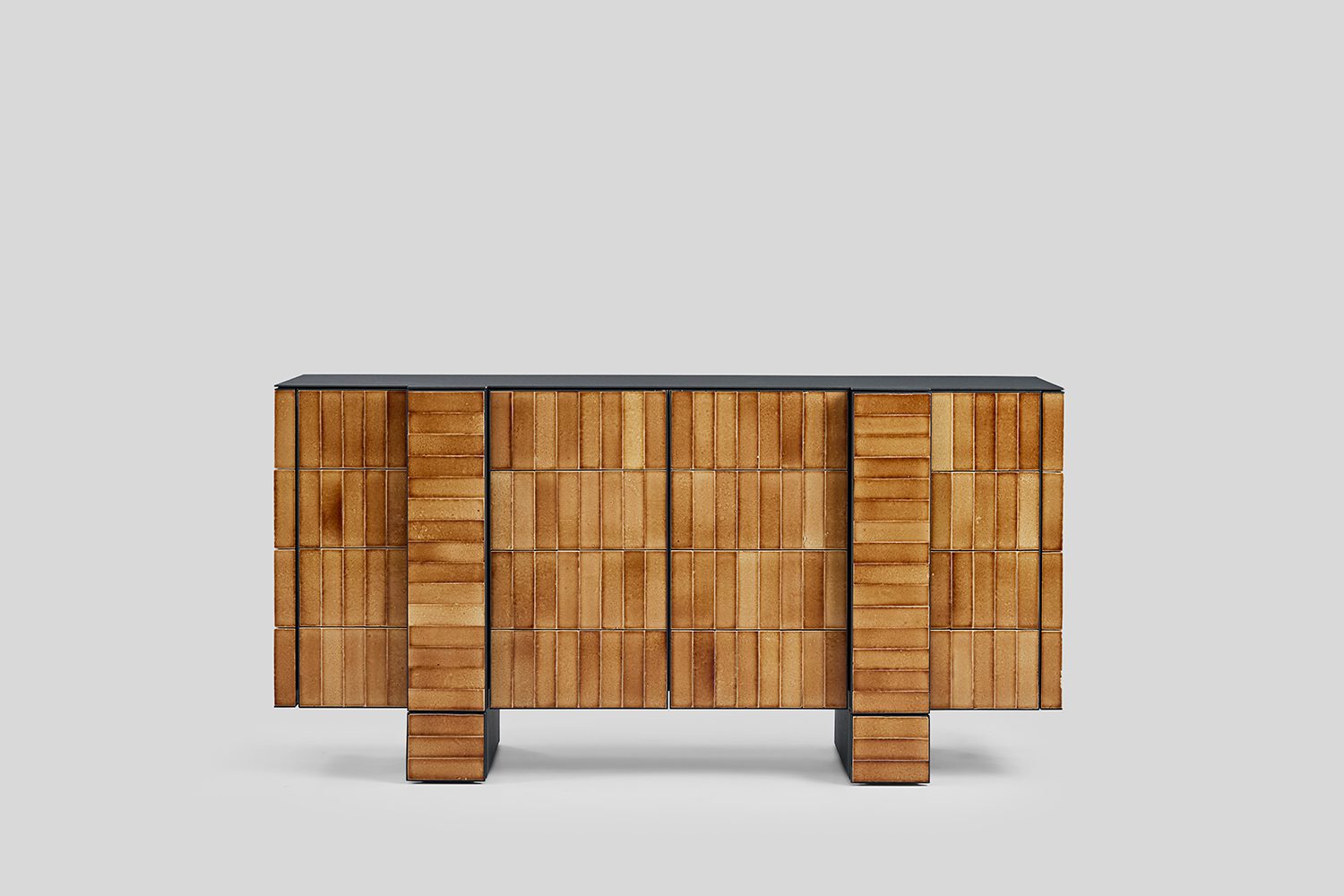
In the Bento Sideboard, tiled surfaces introduce tactile variation, while the metal framework maintains visual order. Designers use this pairing in dining and transitional spaces to add material interest without clutter, allowing storage pieces to function as architectural elements rather than background furniture.
Organic Tones with Natural Surfaces
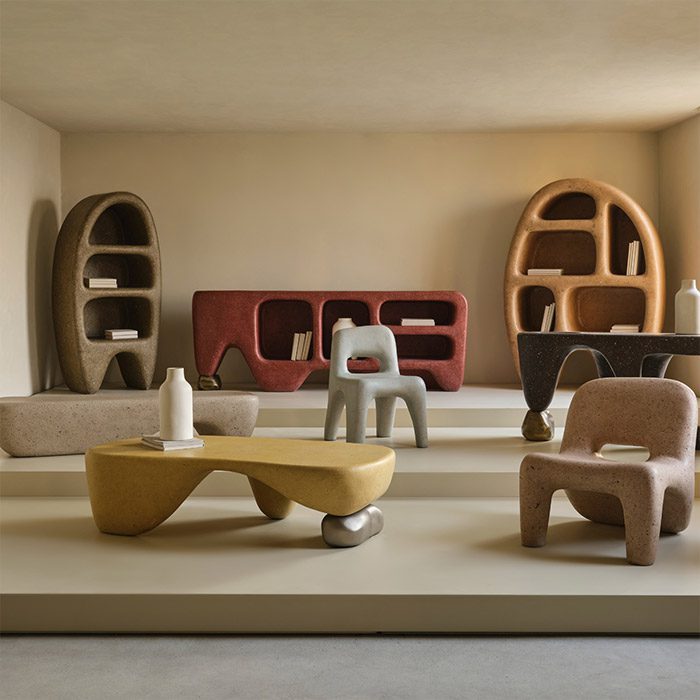
Natural materials carry an inherent calm. When paired thoughtfully, they create interiors that feel grounded and intuitive. Organic tones work best when finishes remain honest, matte, textured, and minimally treated.
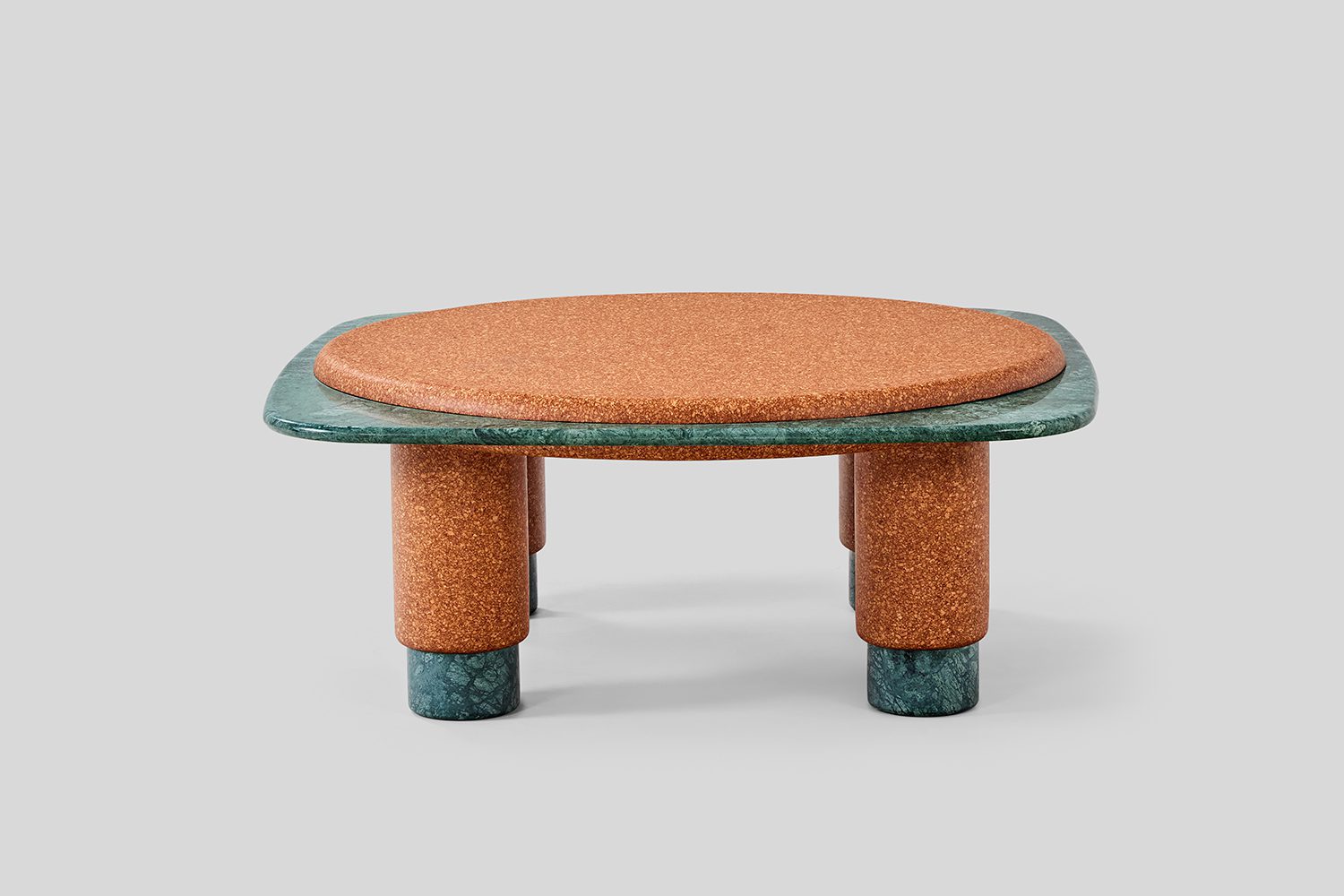
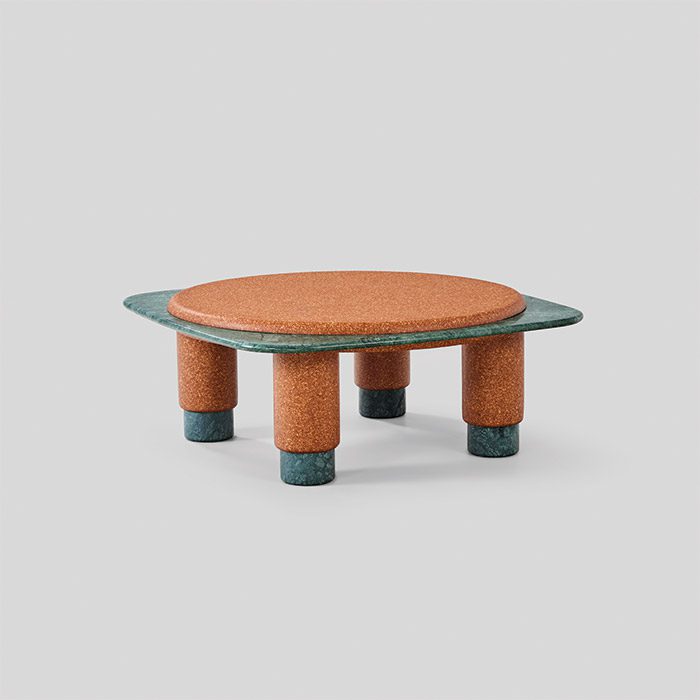
The Albero Coffee Table reflects this approach through its pairing of cork and stone. Cork introduces tactility, while stone provides stability and contrast. This combination suits relaxed living spaces where furniture supports everyday rituals, gathering, resting, and moving without demanding attention.
In modern homes, the most enduring interiors are built on restraint. Designers return to colourand finish combinations that support longevity, adaptability, and ease of living. When material choices are deliberate, furniture moves beyond appearance; it becomes a stabilising force, quietly shaping how spaces are used and experienced over time.

 No products in the cart.